

Home Author
Author

Lloyd Davidson

Advertisement

The integration of sports science into Australian athletic preparation has accelerated dramatically over the past decade, with elite and community-level programs embracing evidence-based approaches to training. Professional sporting organisations now employ teams of specialists including physiologists, biomechanists, and nutritionists who work alongside traditional coaching staff to optimise performance. This multidisciplinary approach has transformed how athletes prepare for competition and recover from the demands of their sports.

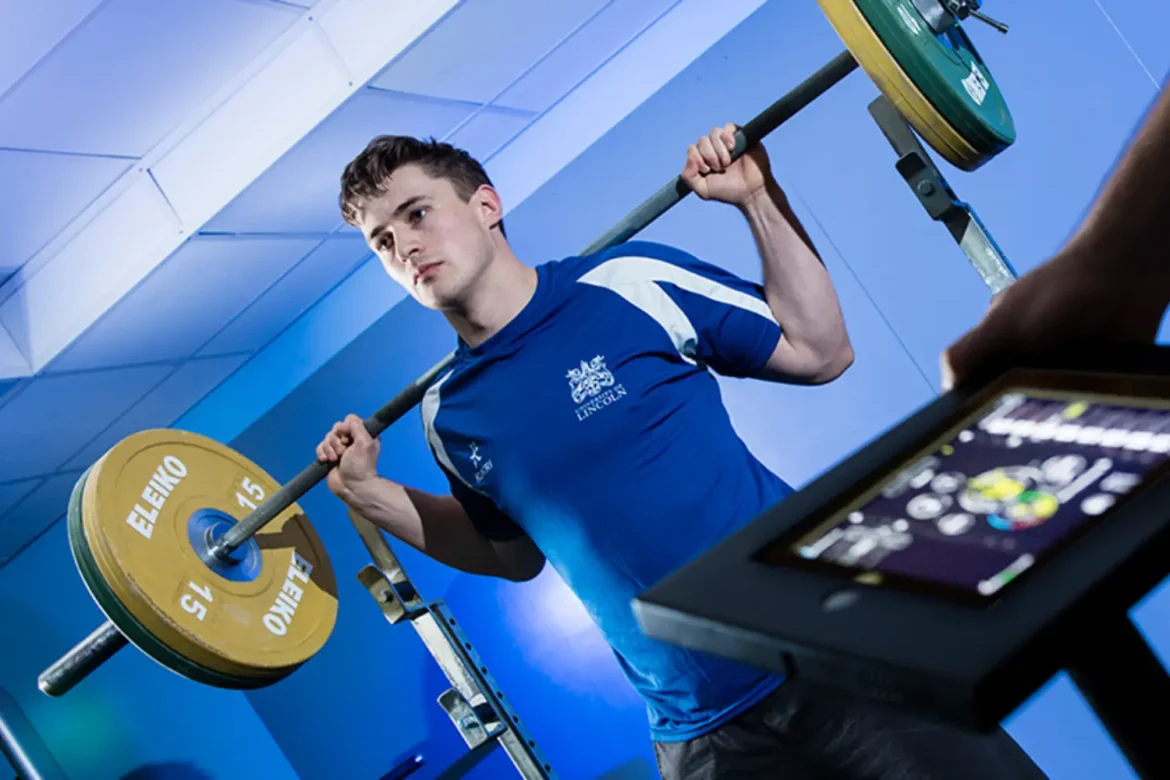
Modern training facilities across Australia feature sophisticated equipment for monitoring athlete workload, tracking movement patterns, and assessing physiological responses to different training stimuli. Wearable technology has become standard in many sports, providing real-time data that coaches use to make informed decisions about training intensity and volume. The availability of this information allows for individualised programming that respects each athlete’s unique characteristics and response patterns.


Pages: 1 2

Advertisement

Australian football is undergoing a significant transformation at the grassroots level, with governing bodies directing substantial resources toward youth development programs. The nation’s sporting infrastructure has long been the envy of many countries, but football administrators recognise that sustained success requires continuous investment in emerging talent. This strategic focus on young players represents a shift from previous approaches that relied heavily on natural athleticism and serendipitous discoveries of gifted individuals.

The Football Australia development pathway now includes regional talent identification centres in every state and territory, ensuring that promising young players from remote areas receive the same opportunities as their city counterparts. These centres operate with qualified coaching staff who understand the specific developmental needs of children at different ages, avoiding the common mistake of treating young athletes as miniature adults. The emphasis remains firmly on skill acquisition and game understanding rather than early specialisation or intense physical conditioning.

Recent funding announcements have allocated significant sums toward upgrading training facilities at the community level, with particular attention to regions that have historically lacked proper football infrastructure. Many local clubs have already begun implementing revised coaching curricula that align with national standards while maintaining the distinct character of their communities. This balance between standardisation and local flexibility has proven essential for maintaining participation rates among young people who might otherwise drift toward other sports.

Pages: 1 2

Advertisement

Older Posts

Alpine Stoat Pty Ltd

25 Thomas Ave, Roseville NSW 2069, Australia

+61450743448

[email protected]

Disclaimer

The content published on this blog is provided for general informational purposes only. While we strive to keep the information accurate and up to date, we make no representations regarding its accuracy, completeness, or reliability. Any reliance on the information available on this website is at your own discretion.

All rights reserved. 2026