

Home Environment
Category:

Environment

Advertisement

Environmental education has become increasingly prominent in Australian schools, reflecting growing recognition of the importance of ecological literacy for future generations. Educational programs aim to develop understanding of environmental systems, awareness of environmental challenges, and the skills to contribute to solutions. The integration of environmental content across the curriculum has deepened in recent years.

The Australian Curriculum includes environmental sustainability as a cross-curriculum priority, ensuring that students encounter environmental themes across their schooling. This approach recognises that environmental understanding should not be confined to science classes but should inform learning across disciplines. Teachers have developed creative approaches to integrating environmental content into subjects from English to mathematics.

School-based environmental projects provide opportunities for students to apply their learning in practical settings, with many schools establishing gardens, recycling programs, and energy efficiency initiatives. These projects develop skills in project management, teamwork, and problem-solving while achieving tangible environmental outcomes. Students often take leadership roles in these initiatives, developing confidence and environmental commitment.
Pages: 1 2

Advertisement

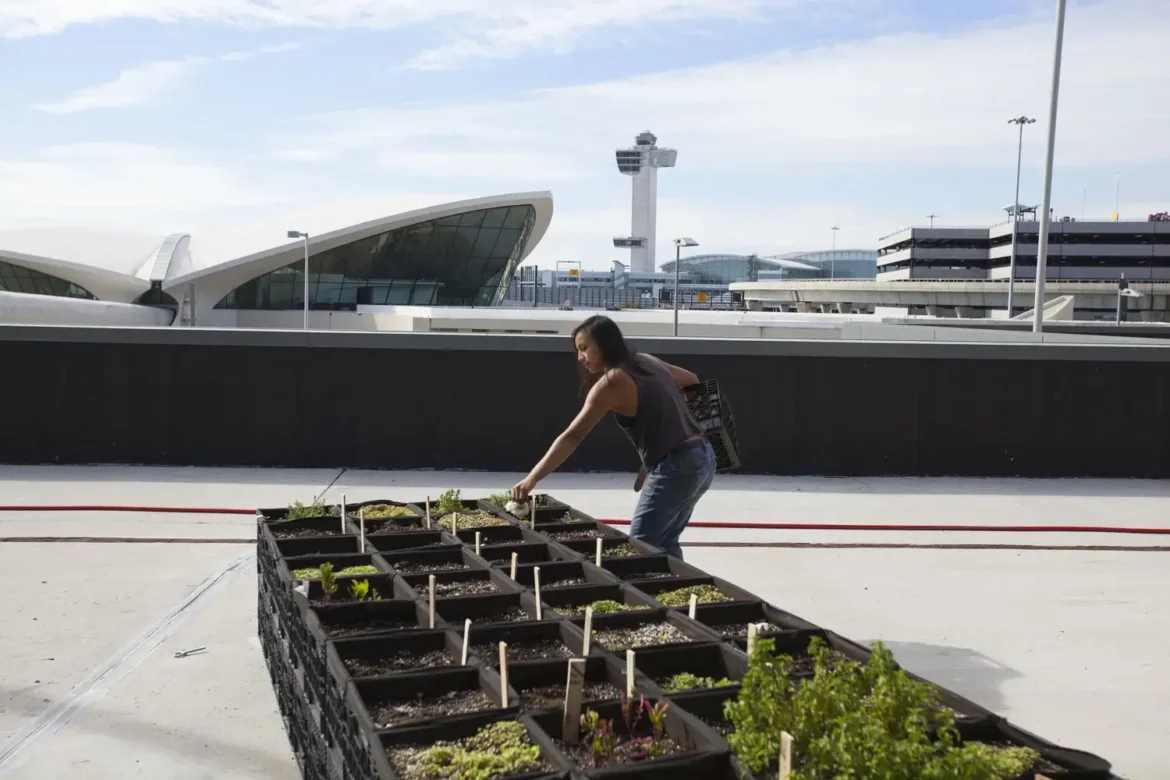
Australian cities are implementing sustainability initiatives that address environmental challenges while improving liveability for residents. Urban areas generate significant environmental impacts, including greenhouse gas emissions, resource consumption, and waste production, making cities critical sites for sustainability action. The initiatives emerging across Australian cities demonstrate the potential for urban environments to become more sustainable.

Sustainable transport has become a focus for many cities, with investment in public transport, cycling infrastructure, and pedestrian-friendly urban design reducing dependence on private vehicles. The expansion of rail networks, bus services, and active transport options provides alternatives to car travel, reducing emissions and improving urban air quality. These investments also support healthier lifestyles through increased physical activity.

Green building standards have evolved, with new developments increasingly required to meet energy efficiency and sustainability criteria. The design of buildings now routinely incorporates passive solar design, efficient heating and cooling, and water-saving features. Green building certification programs have encouraged voluntary adoption of higher standards, with many developers recognising the market advantages of sustainable buildings.

Pages: 1 2

Advertisement

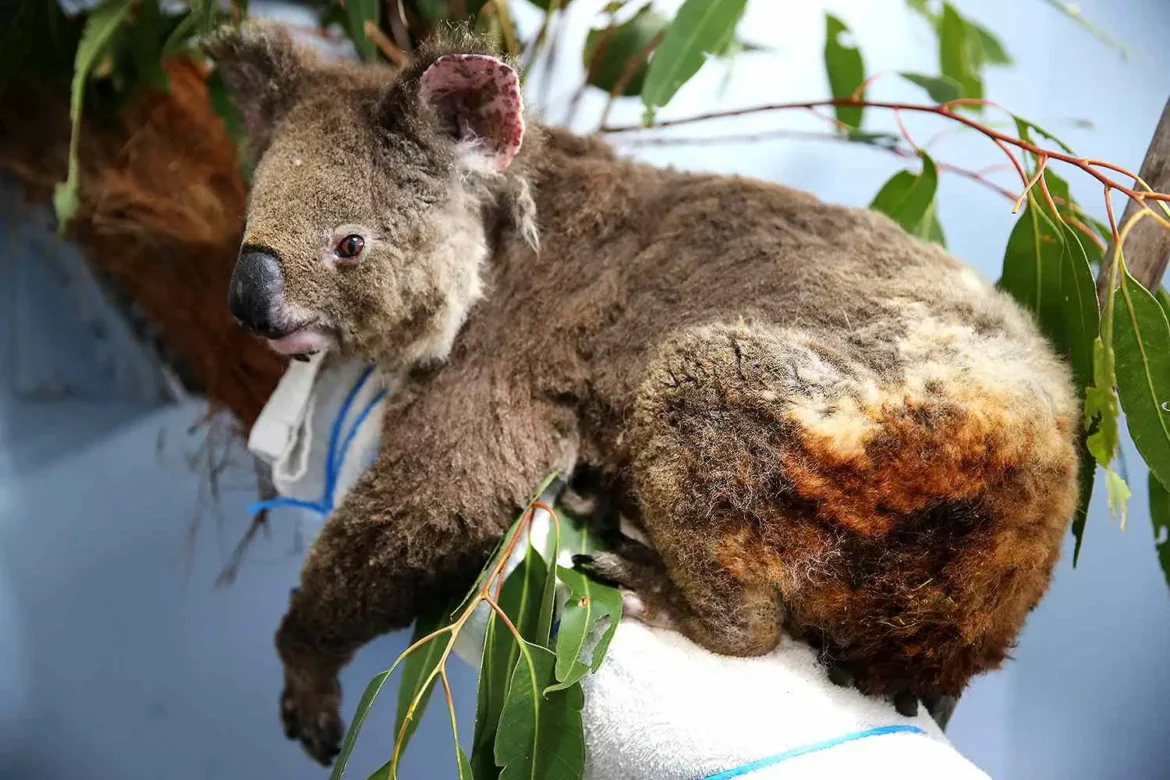
Australia’s unique biodiversity represents a global treasure, with the continent hosting species found nowhere else on Earth due to its long geographic isolation. The conservation of this biodiversity faces significant challenges, including habitat loss, invasive species, and the impacts of climate change. Protecting Australia’s distinctive plants and animals requires comprehensive strategies that address these multiple threats.

Habitat loss and fragmentation continue to represent primary threats to biodiversity, with land clearing for agriculture and urban development reducing the space available for native species. The cumulative impact of habitat loss, combined with fragmentation that isolates populations, creates significant conservation challenges. Efforts to protect remaining habitat and restore degraded areas are essential for maintaining biodiversity.

Invasive species pose substantial threats to native wildlife, with introduced predators and competitors causing significant declines in many species. Feral cats, foxes, and rabbits have had devastating impacts, particularly on small mammals and ground-nesting birds. Control programs, including baiting, trapping, and fencing, have achieved local successes, though landscape-scale control remains challenging.

Pages: 1 2

Advertisement

Australia’s transition toward renewable energy sources has accelerated rapidly, driven by technological advances, declining costs, and policy support at various levels of government. The nation’s abundant solar and wind resources position it well for a renewable energy future, with the potential to supply domestic needs and export clean energy to international markets. This transition represents one of the most significant economic and environmental shifts in Australian history.

Solar energy has experienced particularly dramatic growth, with rooftop solar installations becoming increasingly common across residential and commercial properties. Australia leads the world in per capita rooftop solar adoption, with households and businesses generating significant amounts of their own electricity. Large-scale solar farms have also expanded, contributing to the grid and supporting the broader transition to renewable generation.

Wind energy has emerged as a major contributor to the renewable energy mix, with wind farms operating across several states and further projects in development. The best wind resources are often located in regional areas, bringing economic benefits to communities hosting wind farm developments. Community engagement and benefit-sharing arrangements have become important aspects of wind farm development, helping address local concerns while ensuring communities share in the benefits.

Pages: 1 2

Advertisement

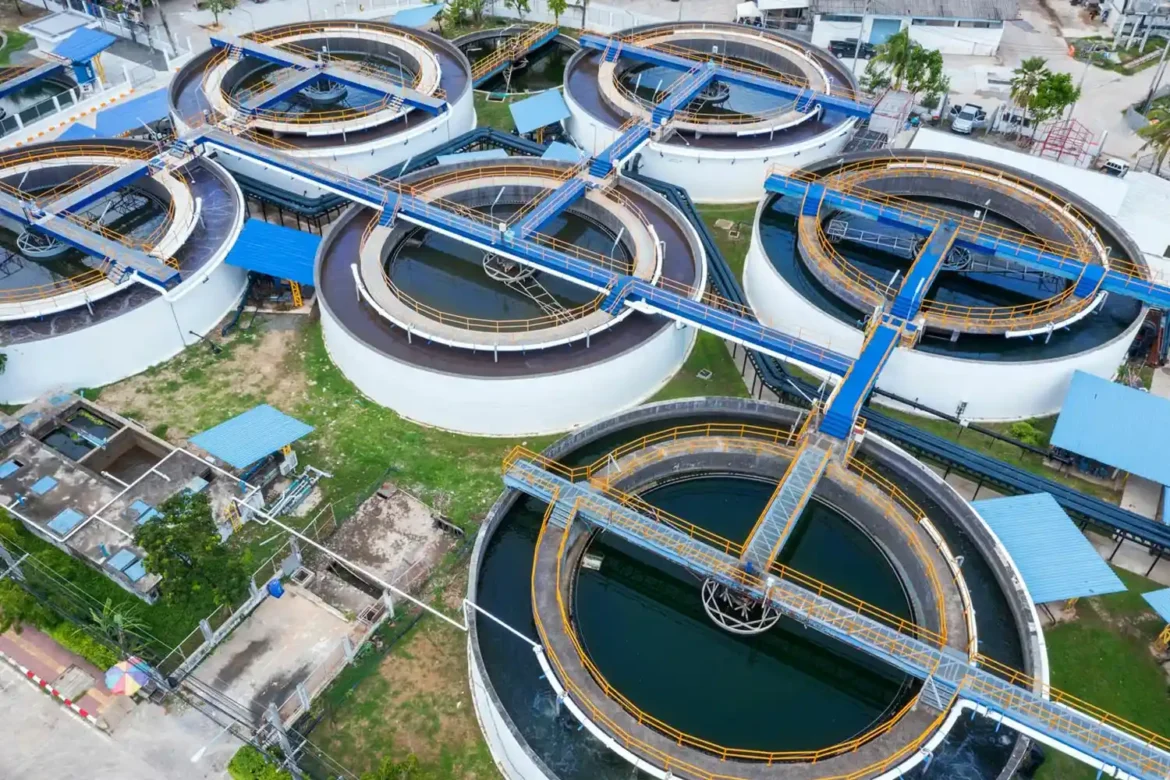
Water resource management in Australia presents unique challenges, with the continent being the driest inhabited continent and experiencing significant climate variability. The sustainable management of water supplies is essential for agriculture, urban consumption, and environmental health, requiring sophisticated approaches that balance competing demands. Recent reforms have sought to establish more effective governance frameworks, though ongoing challenges remain.

The Murray-Darling Basin continues to represent the most significant water management challenge in Australia, with the river system supporting agriculture and communities across multiple states. The Basin Plan established mechanisms for allocating water between environmental, agricultural, and other uses, though implementation has proven contentious and complex. Balancing the needs of different stakeholders within the basin remains a political and practical challenge requiring ongoing negotiation.

Urban water security has become an increasing focus, particularly following the severe droughts that affected many capital cities in recent decades. Major cities have invested in alternative water sources, including desalination plants and recycled water systems, to reduce dependence on rainfall-dependent catchment areas. These investments provide greater security but come with significant costs and environmental considerations that must be carefully weighed.

Pages: 1 2

Advertisement

Alpine Stoat Pty Ltd

25 Thomas Ave, Roseville NSW 2069, Australia

+61450743448

[email protected]

Disclaimer

The content published on this blog is provided for general informational purposes only. While we strive to keep the information accurate and up to date, we make no representations regarding its accuracy, completeness, or reliability. Any reliance on the information available on this website is at your own discretion.

All rights reserved. 2026