

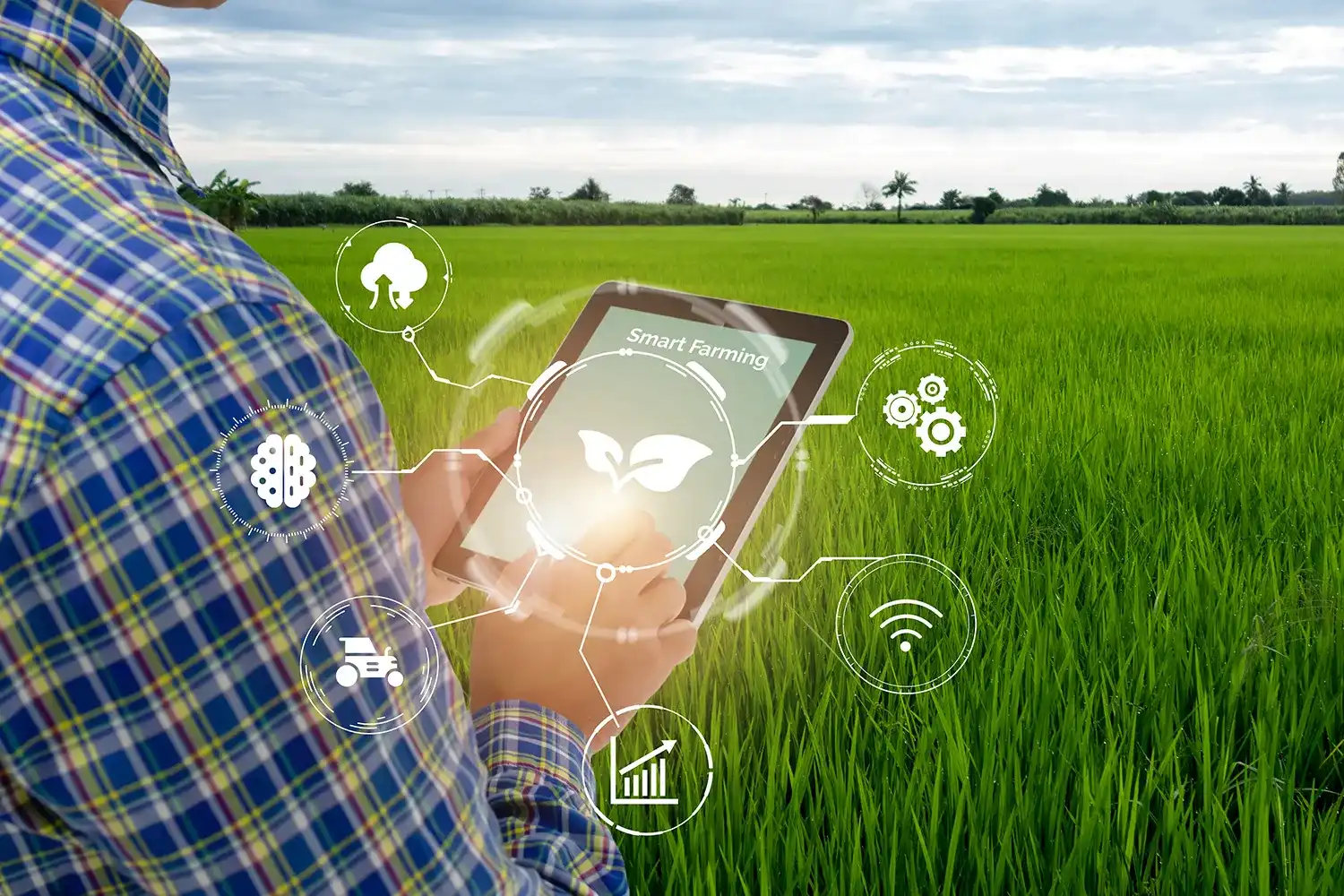
Internet of Things sensors have enabled detailed monitoring of soil conditions, weather, and crop development, providing real-time information that supports farming decisions. Sensor networks connect to cloud platforms that analyse data and provide actionable insights. The expansion of connectivity, including through satellite-based internet, extends the reach of IoT technologies to remote agricultural areas.
Advertisement
Automation of agricultural tasks addresses labour shortages while improving productivity and working conditions. Robotic harvesters, automated milking systems, and autonomous tractors are becoming more common, particularly for tasks that are physically demanding or require precision. The economic viability of agricultural automation continues to improve as technology costs decline.
Looking ahead, technology adoption in Australian agriculture will likely continue to expand, with emerging technologies including artificial intelligence and advanced robotics offering further productivity gains. The integration of technology into farming operations will increasingly be seen as essential for competitiveness and sustainability. Successful adoption depends on appropriate investment, training, and supporting infrastructure.