

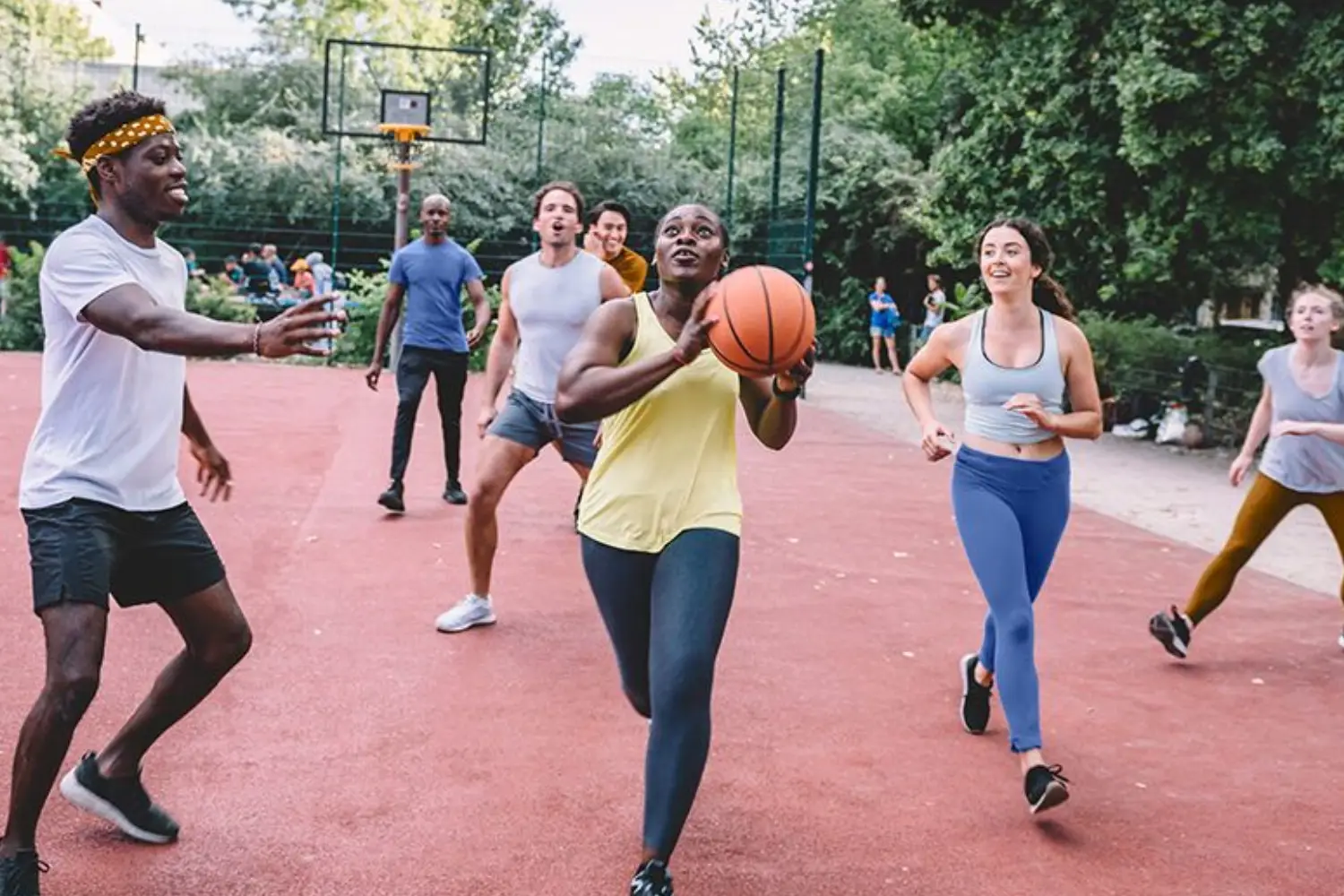
Community sport serves as the backbone of Australian culture, with millions of people participating in organised sporting activities each year across a diverse range of codes. The social, physical, and mental health benefits of regular participation have been well documented, with community sport providing opportunities for connection, physical activity, and personal development. Maintaining strong participation rates has become a priority for governments and sporting organisations concerned about sedentary lifestyles and social isolation.
Advertisement
Recent participation data reveals interesting trends, with traditional team sports maintaining their popularity while newer activities and alternative formats attract growing numbers of participants. The rise of modified games, shorter formats, and social competitions has helped address barriers that previously prevented people from engaging with organised sport. These innovations have proven particularly successful in attracting participants who may have felt intimidated by traditional competitive structures.
The volunteer workforce that supports community sport continues to face challenges, with many clubs struggling to recruit and retain the officials, coaches, and administrators necessary for their operations. Innovative approaches to volunteer management, including streamlined training and recognition programs, have shown promise in addressing this issue. Some regions have also experimented with paid positions for key roles, recognising that the demands of modern sport administration increasingly exceed what can reasonably be expected from volunteers.