

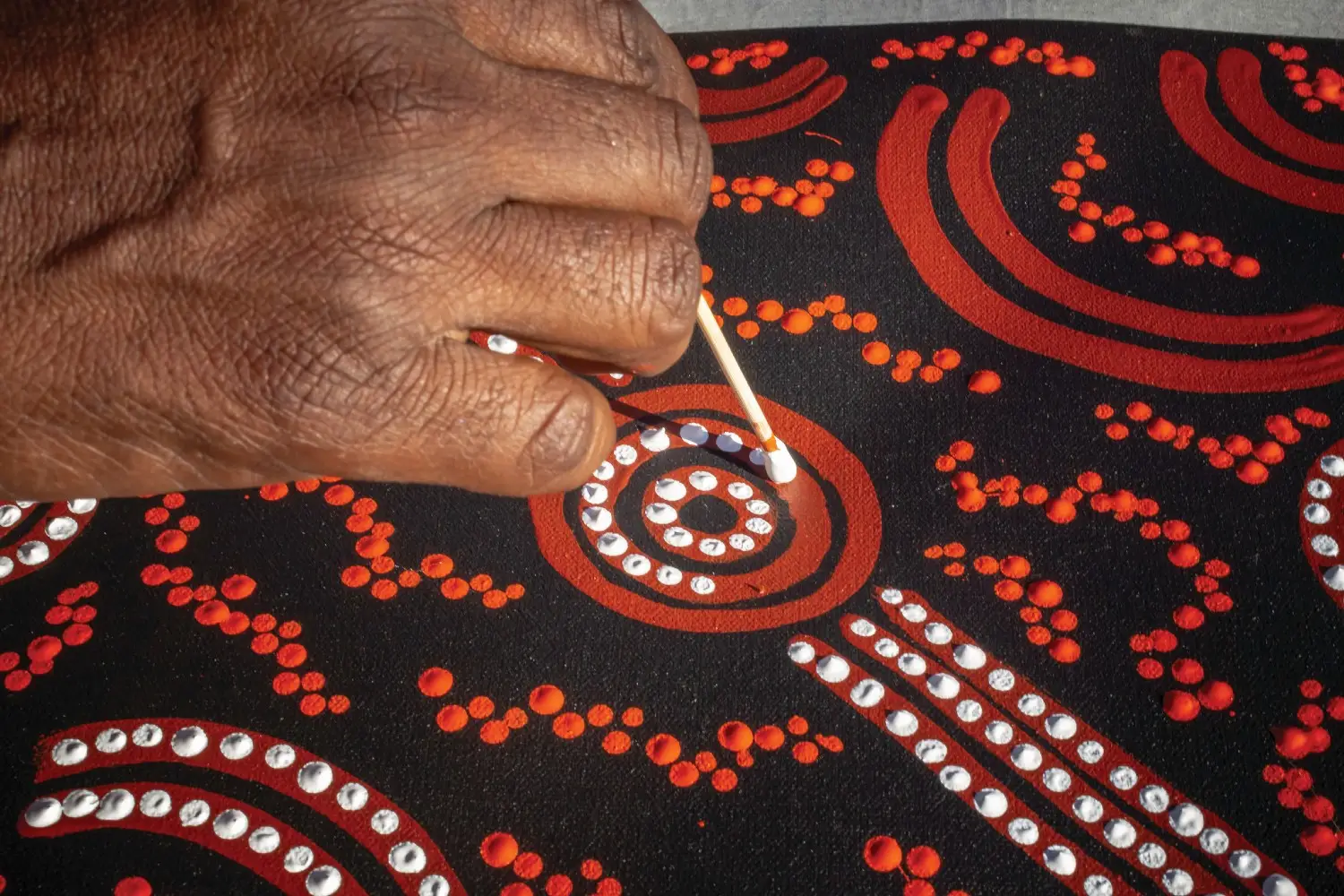
Indigenous knowledge of land management has gained increasing recognition, with traditional ecological knowledge informing contemporary environmental management approaches. The integration of Indigenous fire management practices into conservation programs has demonstrated the practical value of traditional knowledge alongside Western scientific approaches. These collaborations represent genuine partnerships rather than extraction of Indigenous knowledge without appropriate recognition or benefit-sharing.
Advertisement
Cultural festivals and events play an important role in maintaining and celebrating Indigenous culture, providing opportunities for communities to share their traditions with wider audiences. Events such as the Garma Festival and regional corroborees have grown in prominence, attracting visitors while remaining grounded in community protocols and values. These gatherings serve both cultural maintenance and intercultural dialogue functions, supporting broader Australian appreciation of Indigenous culture.
The transmission of cultural knowledge between generations remains the foundation of Indigenous cultural preservation, with communities continuing to prioritise the teaching of traditions to young people. While formal education programs play a role, the most significant transmission occurs through family and community relationships, with elders passing knowledge to younger generations in culturally appropriate settings. This intergenerational transfer ensures that Indigenous culture remains living and dynamic rather than being reduced to museum artefacts.