

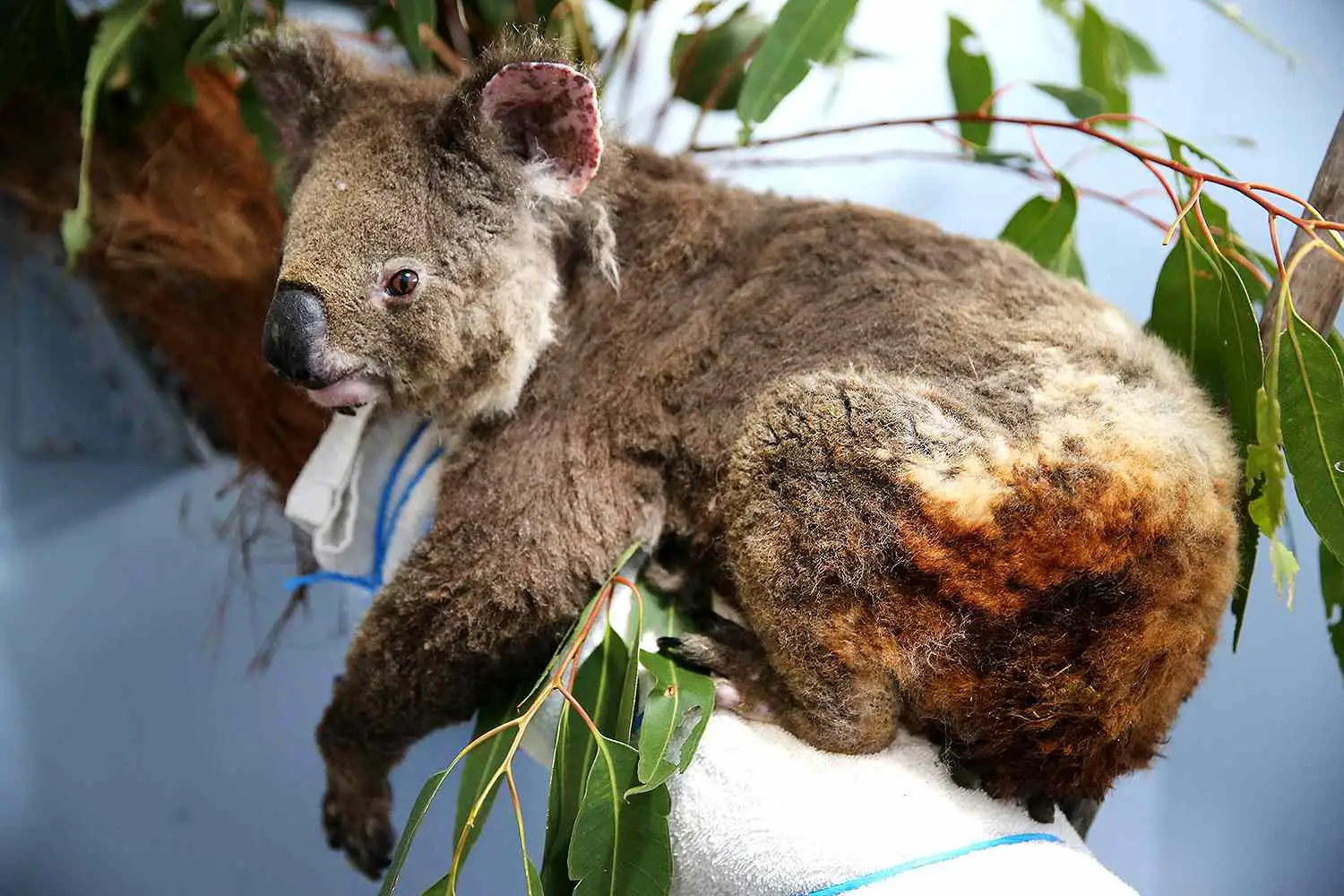
Australia’s unique biodiversity represents a global treasure, with the continent hosting species found nowhere else on Earth due to its long geographic isolation. The conservation of this biodiversity faces significant challenges, including habitat loss, invasive species, and the impacts of climate change. Protecting Australia’s distinctive plants and animals requires comprehensive strategies that address these multiple threats.
Advertisement
Habitat loss and fragmentation continue to represent primary threats to biodiversity, with land clearing for agriculture and urban development reducing the space available for native species. The cumulative impact of habitat loss, combined with fragmentation that isolates populations, creates significant conservation challenges. Efforts to protect remaining habitat and restore degraded areas are essential for maintaining biodiversity.
Invasive species pose substantial threats to native wildlife, with introduced predators and competitors causing significant declines in many species. Feral cats, foxes, and rabbits have had devastating impacts, particularly on small mammals and ground-nesting birds. Control programs, including baiting, trapping, and fencing, have achieved local successes, though landscape-scale control remains challenging.