

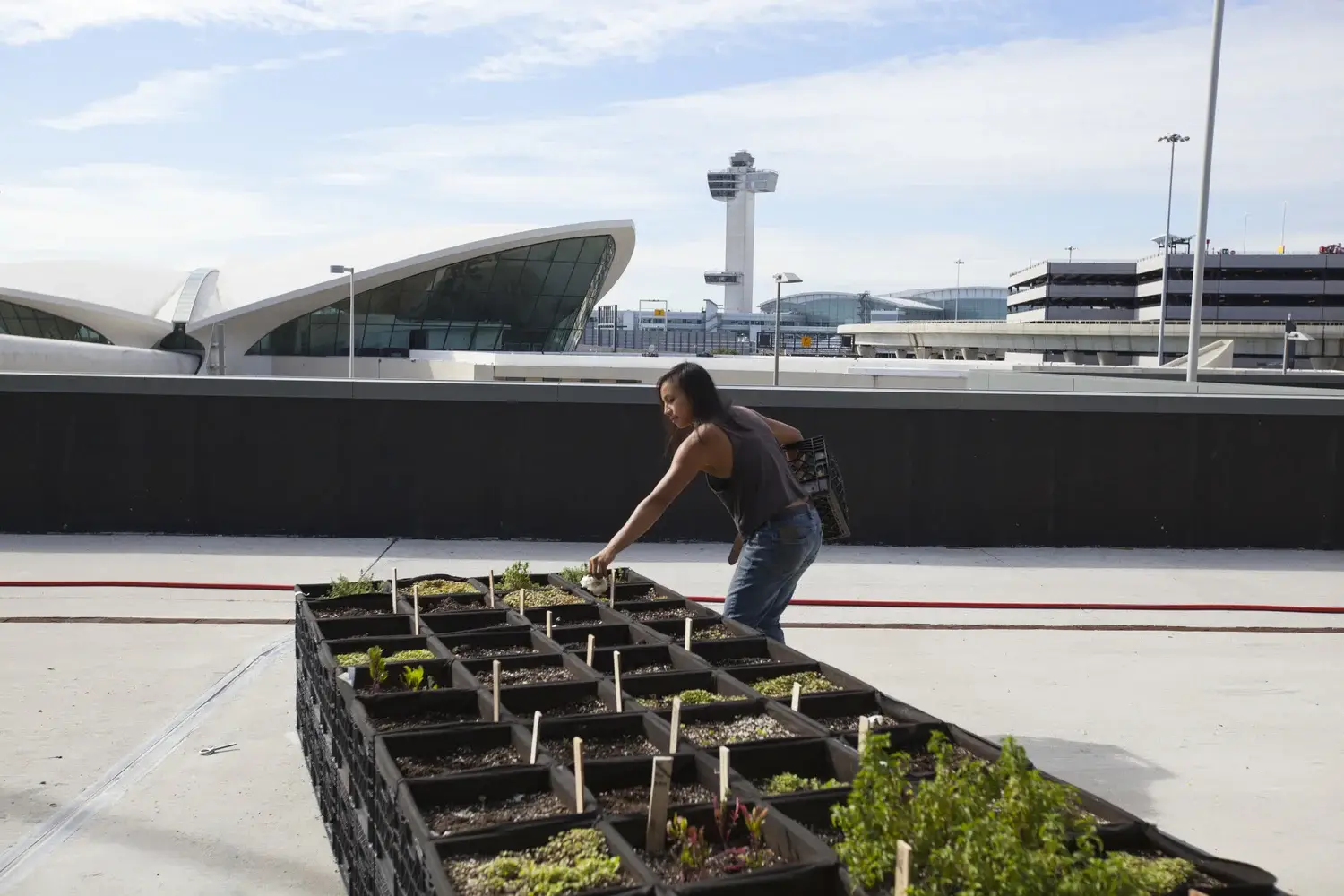
Australian cities are implementing sustainability initiatives that address environmental challenges while improving liveability for residents. Urban areas generate significant environmental impacts, including greenhouse gas emissions, resource consumption, and waste production, making cities critical sites for sustainability action. The initiatives emerging across Australian cities demonstrate the potential for urban environments to become more sustainable.
Advertisement
Sustainable transport has become a focus for many cities, with investment in public transport, cycling infrastructure, and pedestrian-friendly urban design reducing dependence on private vehicles. The expansion of rail networks, bus services, and active transport options provides alternatives to car travel, reducing emissions and improving urban air quality. These investments also support healthier lifestyles through increased physical activity.
Green building standards have evolved, with new developments increasingly required to meet energy efficiency and sustainability criteria. The design of buildings now routinely incorporates passive solar design, efficient heating and cooling, and water-saving features. Green building certification programs have encouraged voluntary adoption of higher standards, with many developers recognising the market advantages of sustainable buildings.