

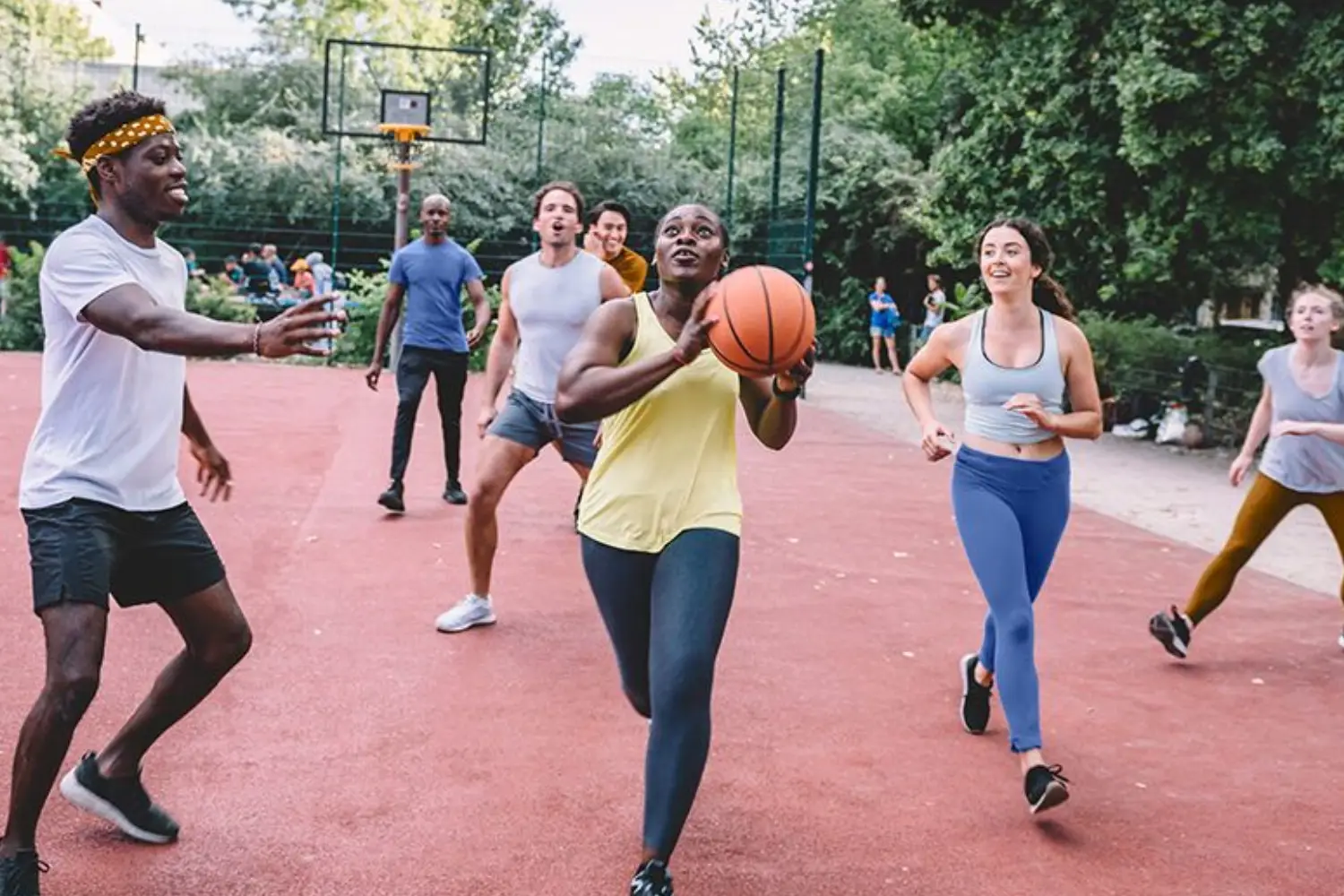
Inclusion and accessibility have become central considerations for community sport providers, with initiatives designed to reduce barriers for people from diverse backgrounds. Programs targeting Indigenous communities, culturally diverse populations, and people with disabilities have expanded significantly, though challenges remain in ensuring genuine participation rather than tokenistic inclusion. Successful initiatives typically involve community consultation and partnership rather than top-down approaches.
Advertisement
The relationship between community sport and local government continues to evolve, with councils recognising the social value of sporting facilities and programs. Investment in community sporting infrastructure remains a priority for many local governments, though competing demands for limited resources create ongoing tensions. Creative approaches to facility sharing and multipurpose developments have helped maximise the return on public investment in sporting infrastructure.
The future of community sport in Australia will likely involve continued adaptation to changing demographics, preferences, and technologies. While the fundamental appeal of sport remains strong, providers must remain responsive to community needs and expectations. The health of community sport ultimately depends on the passion and commitment of participants, volunteers, and administrators who keep the sporting culture vibrant across the nation.