

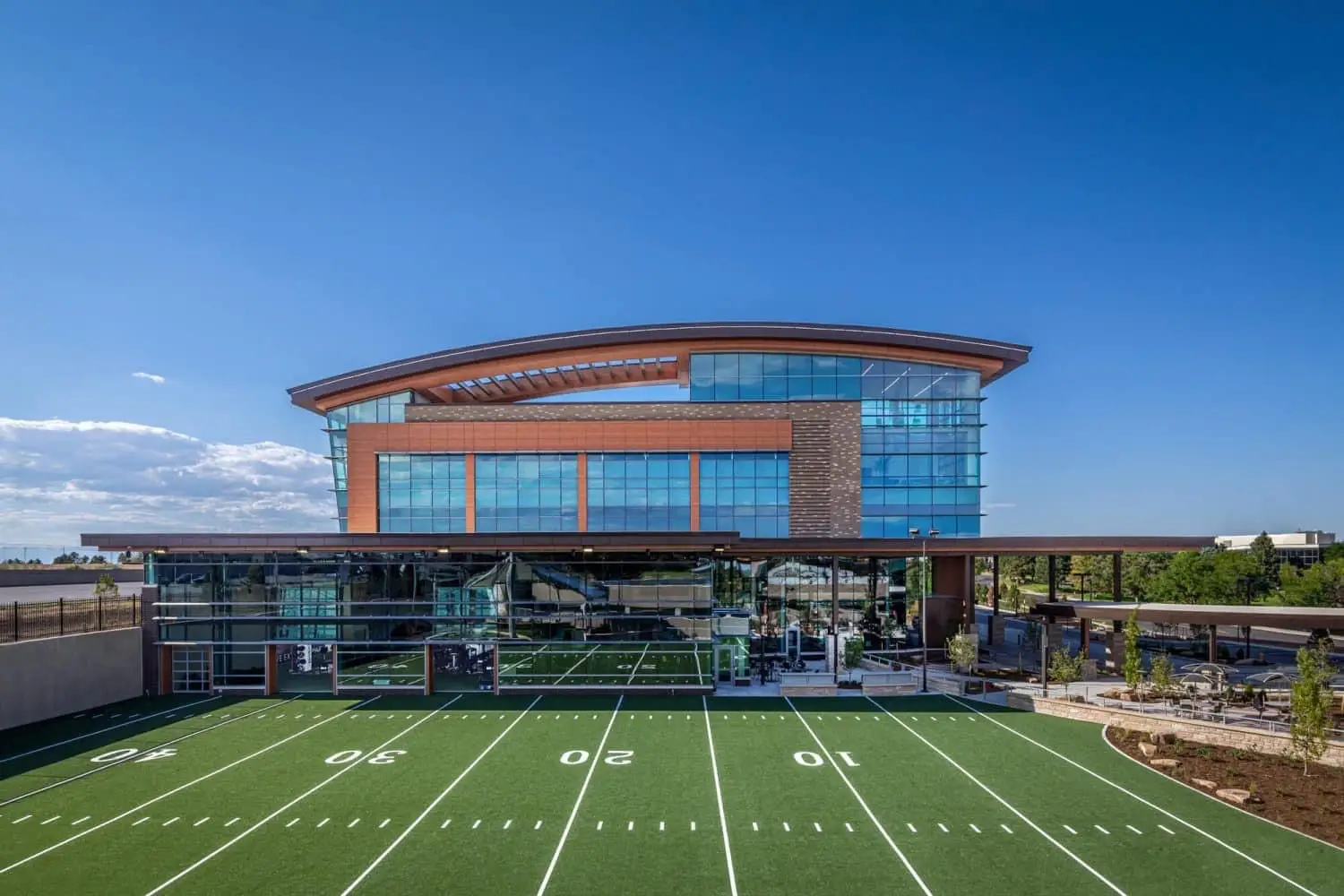
The economic benefits of sporting facility development in regional areas extend beyond the direct value of the infrastructure itself, with events and tournaments generating significant visitor expenditure. Communities that invest in quality facilities often find themselves able to attract competitions that bring outside visitors, supporting local businesses and creating broader economic activity. This economic case has strengthened arguments for public investment in regional sporting infrastructure.
Advertisement
Accessibility considerations have become increasingly important in facility design, with new developments required to meet standards that accommodate people with disabilities. The principle of universal design, where facilities work for everyone regardless of ability, has gained traction in sporting infrastructure planning. This approach not only fulfils legal obligations but also expands the potential user base, supporting greater participation across the community.
Looking ahead, regional sporting facility development will likely continue to evolve in response to changing demographics and participation patterns. The needs of communities are not static, and infrastructure planning must remain responsive to how people actually want to engage with sport. Successful development programs will combine strategic planning with genuine community consultation, ensuring that facilities meet current needs while remaining adaptable for the future.