

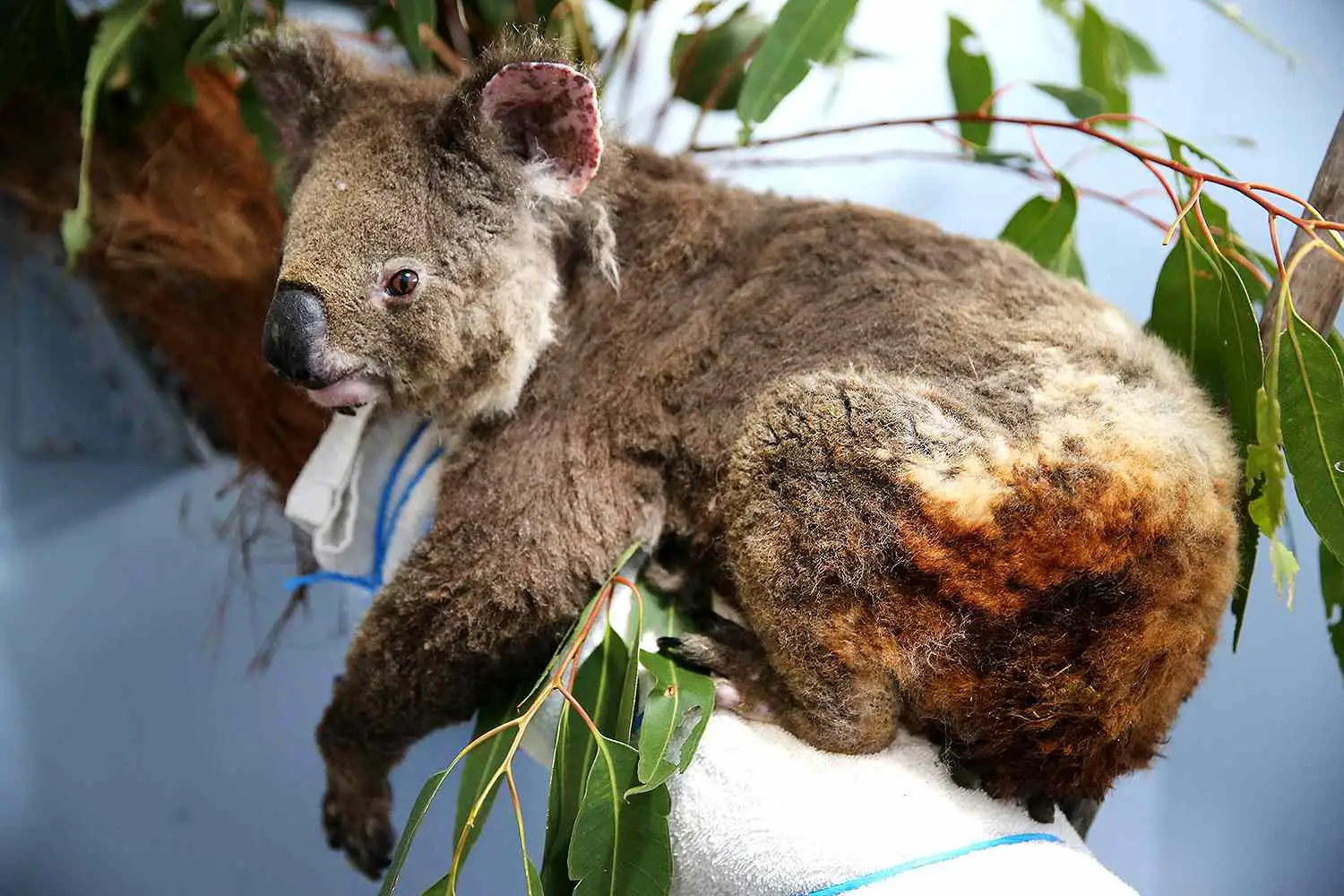
Fire management plays a crucial role in biodiversity conservation, with appropriate fire regimes essential for many Australian ecosystems. The increasing frequency and intensity of bushfires, influenced by climate change and land management practices, poses significant threats to fire-sensitive species. Improved fire management, including Indigenous cultural burning practices, offers opportunities to reduce fire impacts while maintaining ecological health.
Advertisement
Marine biodiversity faces threats including climate change, pollution, and overfishing, with Australia’s extensive coastline and marine territories supporting diverse ecosystems. The Great Barrier Reef has become a symbol of climate change impacts, with coral bleaching events highlighting the vulnerability of marine ecosystems. Protection of marine biodiversity requires both local management and global action on climate change.
Conservation investment and community engagement have produced some notable successes, with several threatened species recovering through targeted interventions. The commitment of volunteers, researchers, and conservation organisations has made significant contributions to protecting Australia’s unique wildlife. Continued support for conservation efforts, combined with broader environmental action, remains essential for protecting Australia’s biodiversity heritage.