

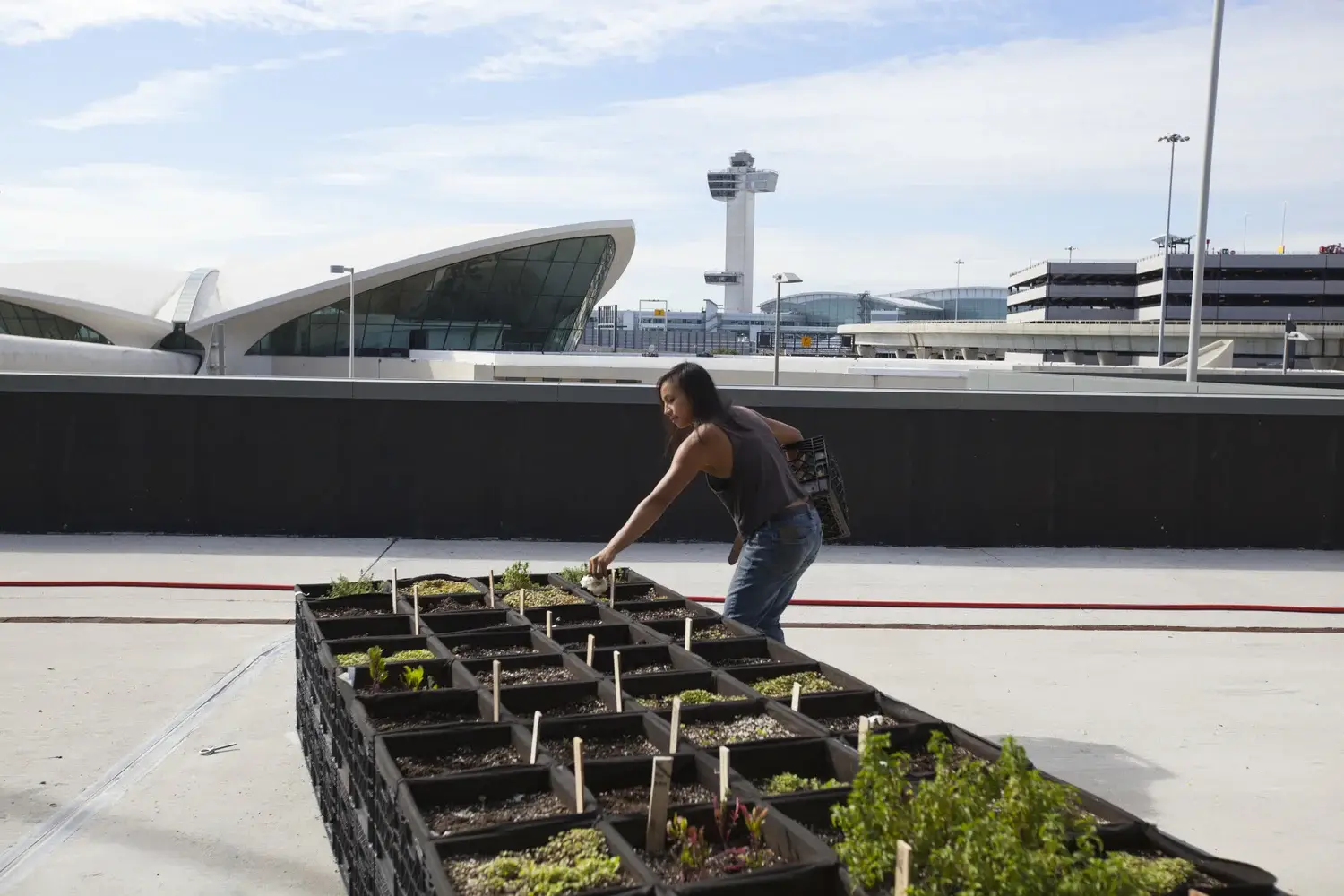
Urban greening initiatives, including tree planting and the creation of parks and gardens, provide multiple environmental and social benefits. Trees absorb carbon dioxide, reduce urban heat island effects, and support urban biodiversity while improving the aesthetic appeal of neighbourhoods. Community involvement in urban greening projects builds social connections while delivering environmental outcomes.
Advertisement
Waste reduction and recycling programs have expanded across Australian cities, with many councils implementing comprehensive collection systems and education campaigns. The transition toward circular economy approaches, where materials are kept in use rather than discarded, represents the next evolution of waste management. These approaches require changes in product design, consumption patterns, and waste infrastructure.
Looking ahead, urban sustainability will likely become increasingly integrated into city planning, with sustainability considerations influencing decisions across all aspects of urban development. The growing recognition of the links between environmental sustainability and human wellbeing supports continued investment in sustainable urban initiatives. The most successful approaches will combine technological innovation with behavioural change and supportive policy settings.